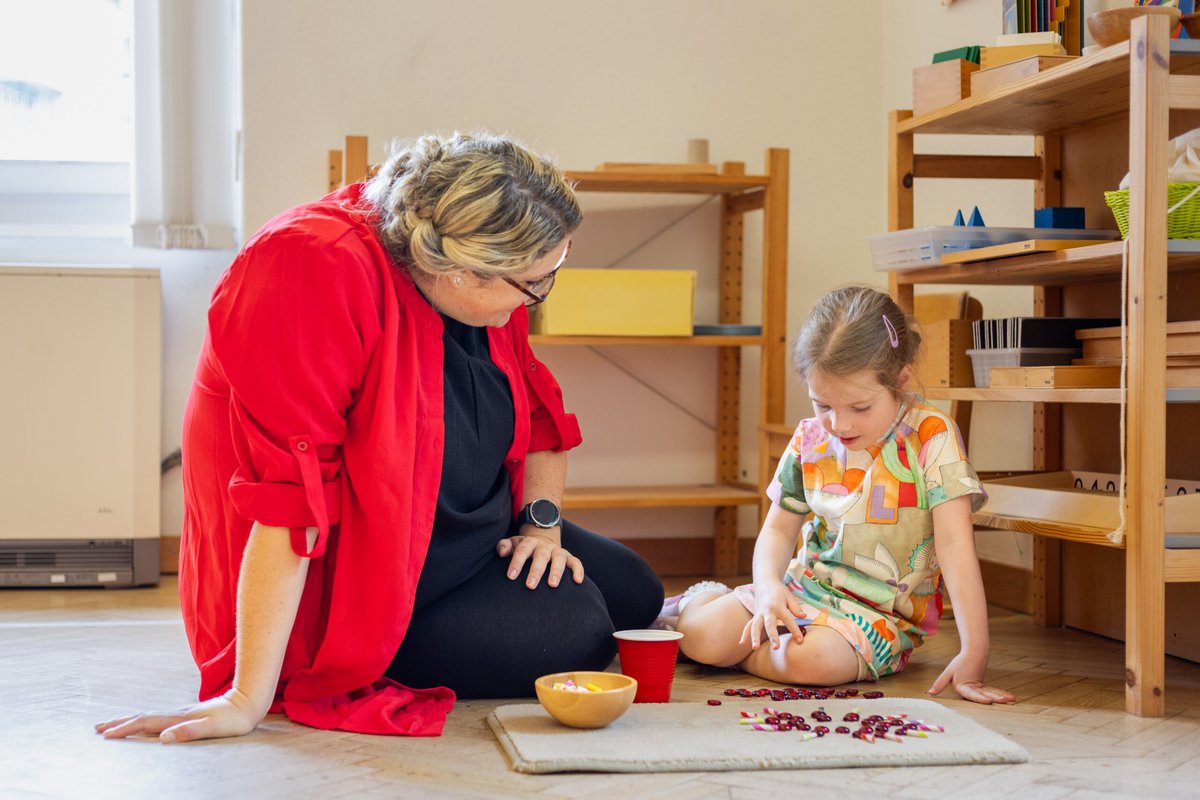
The toddler just launched a half-eaten banana at the wall. Your teenager is glued to their screen, responding in monosyllables. And you? You're somewhere between "take a deep breath" and "run screaming into the night." Welcome to the beautiful, chaotic world of parenting. In moments like these, the concept of Mindful Parenting Strategies isn't just a nice idea; it's a lifeline – a way to navigate the daily storms with more calm, connection, and even a little joy.
Mindful parenting is about bringing intentional awareness to your interactions with your children, paying attention to the present moment without judgment. It’s about noticing your own emotions and reactions, and choosing to respond with purpose rather than autopilot. Think of it as hitting the "pause" button before hitting "play" on a reaction you might later regret. It's not about being perfect; it's about being present, and that makes all the difference.
At a Glance: What You'll Discover About Mindful Parenting
- Emotional Regulation: Learn to manage your own triggers and model calm for your children.
- Present Moment Focus: Practical techniques to ground yourself and engage fully with your family.
- Deepen Connection: Strategies for active listening and building a strong, respectful bond.
- Self-Compassion: Understand why being kind to yourself is vital for effective parenting.
- Long-Term Benefits: How mindful parenting fosters resilient, empathetic, and emotionally stable children.
Why the "Mindful" Approach Transforms Family Life
Parenting can often feel like a constant reaction. A child's tantrum, a school call, a sibling squabble – each demands an immediate response. Without mindful awareness, we often default to ingrained patterns: yelling, withdrawing, or trying to "fix" everything instantly. This can leave us feeling drained, our children misunderstood, and the family environment stressed.
Mindful parenting offers an alternative. It encourages you to step back, observe, and respond thoughtfully. This shift isn't just theoretical; it profoundly impacts the emotional landscape of your home. When you practice mindfulness, you're not just coping; you're actively cultivating a deeper connection with your child and fostering an environment where emotions are acknowledged, understood, and skillfully navigated. This approach reduces your parental stress and anxiety, creating a more stable and predictable world for your child.
The Foundation: Core Principles of Mindful Parenting
Before diving into specific techniques, understanding the underlying principles can empower your practice. These aren't rigid rules, but rather guiding lights for your parenting journey.
1. Mastering Your Emotional Thermostat: Emotional Regulation
Imagine your child has just spilled a full glass of milk, for the third time this week. Your first instinct might be frustration, a sharp word, or an exasperated sigh. Emotional regulation in mindful parenting means you pause. You take a breath. You notice the tightening in your chest, the rising irritation. Then, you choose your response.
This isn't about suppressing emotions; it's about managing them skillfully. When you understand your own triggers – be it overwhelm, exhaustion, or fear – you can intervene before an impulsive reaction takes over. Children are incredibly perceptive; they mirror our emotional states. By demonstrating calm and choosing a balanced response, you teach them that emotions are manageable and that thoughtful reactions are possible, even amidst chaos. This foundational skill is crucial for building a healthy home environment, and you can explore more ways to create one in our comprehensive resource, Your complete Prime Mama Coco guide.
2. Anchoring in the Now: Present Moment Focus
How often do you find yourself physically present with your child but mentally replaying a work meeting, planning dinner, or scrolling through social media? Present moment focus means bringing your full attention to this exact moment with your child.
This involves integrating simple tools like mindfulness meditation (even a few minutes), deep breathing exercises, or short grounding practices. It's about letting go of worries from the past or anxieties about the future, and instead, engaging with what's happening right here, right now. Cultivate a nonjudgmental attitude towards both yourself and your child. This isn't about perfection; it's about showing up.
3. True Engagement: Active Presence and Connection
Beyond just being in the same room, active presence means offering true, undivided attention. This looks like:
- Eye Contact: Getting down to your child's level and making genuine eye contact.
- Listening with Intention: Hearing what they say without immediately formulating your rebuttal or advice. Be curious about their world.
- Tech-Free Time: Dedicating even a few minutes daily to purposeful interaction without screens. This could be playing a game, reading a story, or just talking during a meal.
When children feel truly seen and heard, their sense of security and belonging blossoms.
4. The Power of Grace: Self-Compassion and Support
Parenting is arguably the hardest job on the planet. You will make mistakes. You will lose your temper. You will feel inadequate. Mindful parenting insists on self-compassion. Acknowledge your slip-ups, forgive yourself, and remember that every moment is a new opportunity to try again.
Recognize that you don't have to do it alone. Seek support from your partner, friends, other parents in your community, or professionals. Leaning on your support system isn't a sign of weakness; it's a testament to your strength and commitment to being the best parent you can be.
5. Leading by Example: Modeling Behavior
Children are constantly learning from us. They're watching how we handle stress, how we communicate, how we treat ourselves and others. Mindful parents consciously model:
- Emotional Regulation: Taking a breath before responding to a spilled drink.
- Positive Discipline: Setting boundaries with respect and clarity.
- Compassion and Empathy: Showing kindness to others, and validating feelings.
- Self-Care: Taking time for your own well-being.
- Resilience: Showing that it's okay to make mistakes and try again.
When your child sees you consciously breathe during tension or choose calm, they learn that emotions are manageable and that relationships are repairable. You are their most important teacher.
6. Stepping into Their Shoes: Empathy
One of the most powerful tools in a mindful parent's toolkit is empathy. This means trying to understand and share the feelings of your child. Instead of dismissing their big emotions ("It's just a toy, don't cry!"), validate them: "That sounds really frustrating when your tower falls down."
Empathy doesn't mean agreeing with their behavior; it means acknowledging their feelings. When children feel understood, they are more likely to process their emotions constructively and feel closer to you.
Tangible Benefits: What Mindful Parenting Gives You (and Them)
The ripple effect of mindful parenting extends far beyond individual interactions. It cultivates a foundation for lifelong well-being for both you and your children.
- Reduces Parental Stress & Anxiety: By choosing intentional responses, you feel more in control and less overwhelmed by daily challenges.
- Improves Parent-Child Emotional Connection: True presence and empathy deepen your bond, fostering trust and mutual respect.
- Empowers Children's Self-Regulation: Kids learn to manage their own behavior, express themselves clearly, and build confidence and emotional stability by observing your modeling.
- Creates a Nurturing Environment: Your home becomes a safe space rooted in predictability, understanding, and mutual regard.
- Fosters Emotional Well-being: Forges healthy development and long-term resilience in children, equipping them for life's challenges.
- Aligns Actions with Values: Ensures your daily parenting choices reflect your deepest personal and family values, building a consistent and meaningful family culture.
Deepening Your Practice: Tools for Inner Calm
While the principles provide the framework, specific practices can significantly enhance your ability to parent mindfully. One powerful tool that many parents find transformative is breathwork.
The Power of Breath: SKY Breath Meditation
Imagine having an internal "reset" button you can press anytime, especially during moments of high stress. The SKY Breath Meditation, often taught in programs like the Art of Living Part 1 Course, is precisely that. It utilizes specific, cyclical breathing patterns designed to directly influence your nervous system.
How it helps mindful parents:
- Calms the Nervous System: It can quickly shift you out of the "fight-or-flight" stress response, bringing a sense of groundedness.
- Reduces Stress & Increases Patience: By stabilizing the autonomic nervous system, parents experience fewer impulsive outbursts and a greater capacity for patience.
- Quiets Mental Chatter: The practice helps settle the "monkey mind," leading to greater clarity, focus, and intentionality in your parenting.
- Daily Anchor for Self-Care: Integrating SKY Breath into your routine provides a consistent opportunity for self-regulation and emotional resilience, making you a more present and effective parent.
Learning such techniques can equip you with robust tools to manage the daily pressures of family life, ensuring you approach interactions with a more grounded and compassionate state.
5 Actionable Mindful Parenting Strategies You Can Start Today
Let's translate these principles into concrete actions. These strategies are practical, accessible, and designed for immediate integration into your busy family life.
1. Be Present (Really Present)
This goes beyond just being in the same room. It means intentionally carving out moments where your focus is solely on your child.
- How to do it: Dedicate 10-15 minutes of purposeful, tech-free time daily. This could be while building LEGOs, during bath time, or walking the dog. Put your phone away, turn off the TV, and simply engage. Ask open-ended questions like, "What was the most interesting part of your day?" or "What made you laugh today?"
- Pitfall to avoid: Allowing distractions to creep in. If your mind wanders, gently bring it back to your child. Remember, quality over quantity here.
2. Practice Active Listening
This is about hearing, not just waiting for your turn to talk.
- How to do it: When your child is speaking, get on their level. Make eye contact. Give them your full attention. Listen for the feelings behind their words. Instead of immediately offering solutions, try reflecting what you hear: "It sounds like you're really upset about what happened at school," or "So, you're saying you're frustrated because...?"
- Example: Your child tells you they hate school. Instead of "You can't hate school, you have to go," try, "Wow, 'hate' is a strong word. What about school feels so difficult right now?"
3. Use Breath Work to Reset (Yourself & Them)
Your breath is your anchor. It's an instant calm button.
- How to do it: During stressful moments, whether you're about to snap or your child is having a meltdown, pause and focus on your breath. Try square breathing: inhale for 4 counts, hold for 4, exhale for 4, hold for 4. Repeat a few times. You can also teach your child simple breathing techniques, like "Spiderman breaths" (pretend to shoot webs with each exhale) or "smell the flower, blow out the candle."
- Mini-Case Snippet: Your child is screaming because their toast isn't cut "right." Instead of yelling, you take three slow, deep breaths, then calmly say, "I see you're very upset about the toast. Let's both take some big dragon breaths together to feel a little calmer, then we can talk."
4. Respond with Empathy
Validate their feelings, even if you don't understand or agree with their behavior.
- How to do it: Instead of dismissing emotions, acknowledge them. "I can see you're really sad that your friend can't come over today," or "That must be so frustrating when things don't go as planned." Use phrases like "That sounds..." or "It looks like you're feeling..." This doesn't mean you're condoning poor behavior, but rather that you're creating a space for their emotions to be heard and understood.
- Clarification: Empathy is not the same as sympathy. Sympathy might be "Oh, poor you." Empathy is "I understand that feeling must be hard."
5. Model Self-Compassion
Show your children that it's okay to be human and make mistakes.
- How to do it: When you mess up (and you will!), acknowledge it out loud. "Oops, Mommy got a bit frustrated there, and I shouldn't have raised my voice. I'm still learning, and I'm sorry." This teaches your child that mistakes are part of life, that apologies are powerful, and that self-forgiveness is important. It also shows them that relationships can be repaired.
- Benefit-driven point: By modeling self-compassion, you empower your children to be kinder to themselves when they inevitably face challenges or make their own errors.
Common Questions About Mindful Parenting
It's natural to have questions when adopting a new approach to parenting. Let's address some common ones.
Is Mindful Parenting Permissive Parenting?
Absolutely not. Mindful parenting is not about letting children do whatever they want. It's about setting clear, consistent boundaries with empathy and respect. You can be firm and kind. For example, if a child hits another, a mindful parent would address the behavior ("Hitting is not okay, it hurts people") while also acknowledging the underlying emotion ("I see you're very angry right now. Let's talk about what made you feel that way."). The focus is on teaching and guiding, rather than controlling or punishing out of anger.
Do I Need to Meditate for Hours to Be a Mindful Parent?
No, not at all! While a consistent meditation practice can certainly deepen your mindfulness, it's not a prerequisite. Mindful parenting is more about bringing awareness to everyday moments. Even a few minutes of focused breathing, a short body scan, or simply pausing before reacting can make a profound difference. The key is integrating small moments of mindfulness throughout your day, not adding another item to an already overwhelming to-do list.
What if My Partner Isn't On Board with Mindful Parenting?
It's common for partners to have different parenting styles. Start by focusing on what you can control: your own reactions and interactions. You can model mindful behavior without explicitly labeling it. Over time, your partner might observe the positive changes in your children and the calmer atmosphere in the home, becoming more open to the approach. Communicate openly, share resources, and focus on shared goals like wanting happy, well-adjusted children. Even small shifts can create positive momentum.
I Keep Forgetting to Be Mindful! Am I Failing?
No, you are human! Mindful parenting is a practice, not a destination. There will be days when you nail it, and days when you feel like you've completely derailed. The key is to notice when you've strayed and gently, without judgment, bring yourself back to your intentions. Self-compassion is crucial here. Every moment is a chance to start fresh. The fact that you're even thinking about being mindful means you're already on the right path.
Cultivating a Lifetime of Connection and Calm
Adopting mindful parenting strategies is a journey, not a destination. It's about continually showing up, taking a breath, and choosing connection over reaction. The challenges of parenting will always be there, but with mindfulness, you gain the tools to navigate them with greater ease, wisdom, and love.
By integrating these strategies, you're not just shaping well-behaved children; you're nurturing their emotional intelligence, resilience, and sense of self-worth. You're creating a family culture rooted in respect, understanding, and authentic connection. And in doing so, you're not just parenting mindfully; you're living more mindfully, discovering a deeper sense of calm within yourself, even amidst the beautiful chaos of family life.