It happens to the best of us: one day you’re an individual with hobbies, routines, and quiet moments, and the next, you’ve "disappeared into motherhood." This isn't just a turn of phrase; it's a profound shift where personal needs often take a back seat, sometimes indefinitely. The truth is, prioritizing Maternal Self-Care & Well-being isn't a luxury; it's the very foundation upon which a mother—and her family—can truly thrive.
Studies paint a stark picture: over 80% of women six months postpartum report they haven't resumed their usual self-care activities. This neglect isn't just a minor inconvenience; it’s a direct contributor to increased stress, anxiety, and higher rates of postpartum depression, which impacts up to 20% of new mothers. We're talking about a significant gap in care, where the focus often remains solely on physical recovery, while critical emotional and mental self-care needs are overlooked.
This guide isn't about adding another item to your already overwhelming to-do list. It's about reframing self-care not as an indulgence, but as an essential "survival thing" – the oxygen mask you secure for yourself first. By understanding its importance and implementing practical strategies, you can move from merely surviving to genuinely thriving.
At a Glance: Your Path to Prioritizing You
- Self-care isn't selfish; it's foundational. It’s the groundwork for effective, present mothering.
- Moms often "disappear" into motherhood. Over 80% of new mothers neglect their needs postpartum, leading to increased stress and PPD.
- It's about making time, not finding it. Even five minutes of intentional self-care makes a difference.
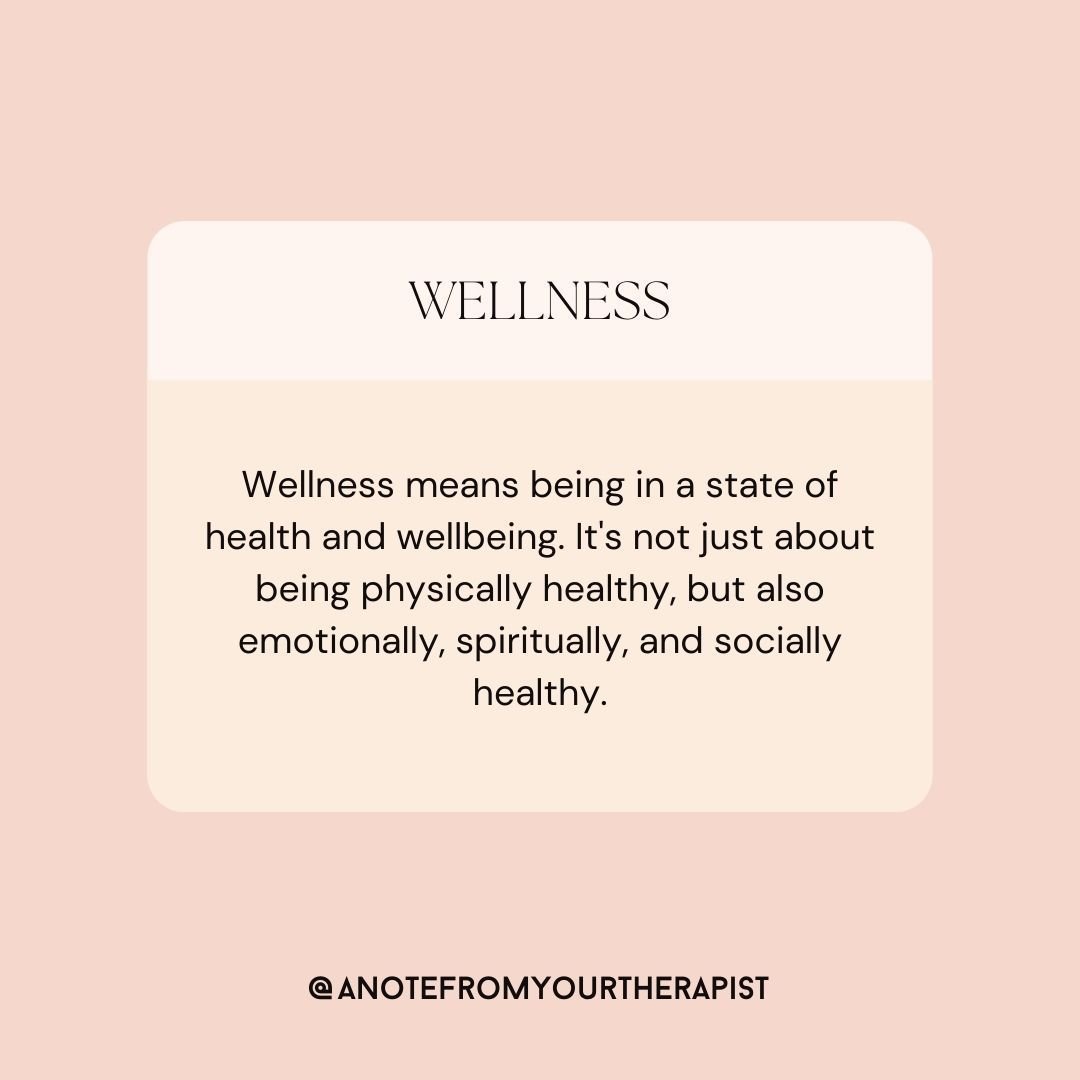
- Self-care covers your whole self. Think physical, emotional, and mental well-being.
- The benefits are huge. Better emotional balance, reduced stress, improved energy, and lower rates of postpartum depression are just a few.
- You don't have to do it alone. Building a support network is a key strategy.
The Silent Struggle: Why Moms Disappear
Becoming a mother is a profound transformation. The love is boundless, the joy immense, but so too are the demands. From round-the-clock feedings and diaper changes to navigating sleep regressions and endless laundry, the role often feels all-consuming. It's easy to fall into the trap of believing that being a "good mom" means relentless self-sacrifice, putting every single need of your child before your own. This isn't just a personal belief; it's often a societal expectation, subtly woven into the fabric of motherhood.
Yet, this constant self-neglect comes at a steep price. When you continuously put your own well-being on the back burner, you deplete your physical, emotional, and mental reserves. You become more susceptible to the very challenges that make motherhood harder: chronic fatigue, irritability, a shorter fuse, and a pervasive sense of being overwhelmed. The alarming statistics about postpartum depression are a clear indicator that neglecting maternal well-being isn't just a personal failing; it's a systemic issue that demands our attention.
Maternal self-care, by definition, encompasses practices that prioritize an individual's physical, emotional, and mental health. It’s a holistic approach to maintaining your internal balance, managing energy levels, and reducing stress. When you consistently engage in these practices, you're not just doing something nice for yourself; you're actively building resilience. Women who prioritize self-care report better overall well-being, stronger maternal functioning, and, critically, lower rates of postpartum depression. It’s the difference between merely getting through the day and truly thriving within your role.
Beyond Survival Mode: Why Self-Care Is Non-Negotiable
Think of it this way: your self-care practices are like the operating system running in the background. If that system is constantly crashing, overloaded, or filled with bugs, everything else—your patience, your energy, your ability to connect—suffers.
When you practice self-care, you’re essentially saying: "My well-being is important, and I am worthy of feeling good." This isn't a selfish act; it’s an empowering one.
It allows you to:
- Maintain Emotional Balance: Motherhood is a rollercoaster of emotions. Self-care provides tools to navigate these highs and lows with greater equilibrium.
- Reduce Stress and Anxiety: Intentional breaks and mindful practices are proven stressbusters, helping to lower cortisol levels and calm an overactive mind.
- Manage Energy Levels: Proper rest, nutrition, and gentle movement aren't just about feeling better; they're about replenishing the finite energy reserves motherhood constantly drains.
- Set a Positive Example: Your children learn by observing. When they see you prioritizing your health and happiness, you teach them invaluable lessons about self-worth and boundaries.
- Enhance Maternal Functioning: A well-rested, emotionally balanced mother is better equipped to respond to her children with patience, empathy, and creativity. She has more to give.
The ultimate truth is that you cannot pour from an empty cup. You are the wellspring for your family, and if that well runs dry, everyone suffers. Self-care, then, is the ongoing refill.
The Unseen Hurdles: Why Self-Care Feels Impossible
If self-care is so essential, why do so many mothers struggle to embrace it? The challenges are real and multifaceted:
- The "Good Mom" Myth: As mentioned, the pervasive idea that self-sacrifice is the ultimate sign of a devoted mother is deeply ingrained. Taking time for yourself can feel laden with guilt, as if you're somehow failing your child.
- Limited Resources & Support: Many mothers lack a robust support system, whether that's family nearby, affordable childcare, or a partner who understands and champions their need for personal time.
- Financial Constraints: Self-care is often mistakenly equated with expensive spa days or exotic retreats. When finances are tight, even the idea of dedicating money to oneself can feel irresponsible.
- The Time Illusion: Perhaps the biggest hurdle is the feeling that there simply isn't enough time. Between feedings, naps (or lack thereof), household chores, and partner demands, the clock seems to evaporate. This is where a crucial mindset shift comes in: self-care is about making time, not finding extra time, because there often isn't any "extra." It requires intentional scheduling and a commitment to protecting those moments, however brief.
Overcoming these hurdles requires not just effort, but a fundamental shift in perspective and a willingness to challenge ingrained beliefs.
Building Your Self-Care Blueprint: Actionable Strategies That Work
The good news is that self-care doesn't have to be grand, expensive, or time-consuming. It’s about consistency, intention, and finding what truly replenishes you. Let’s break down actionable strategies across different domains of well-being.
Making Time, Not Finding It: The "Schedule It" Strategy
This is perhaps the most critical shift you can make. You wouldn't skip a doctor's appointment or a child's school event. Treat your self-care with the same reverence.
- Book Yourself: Literally put it on your calendar. Whether it's five minutes of deep breathing before everyone wakes up, a 10-minute walk around the block during naptime, or 30 minutes of uninterrupted rest while your partner watches the baby, schedule it and protect that time.
- Consistency Over Duration: Five minutes, consistently, every day, is far more impactful than a rare, two-hour indulgence. Build small, manageable habits that accumulate over time. Think of it like brushing your teeth – a small, daily act with huge long-term benefits.
- Micro-Moments: Can you do a quick stretch while the kettle boils? Listen to one song with headphones while preparing dinner? Even these tiny moments add up.
Nourishing Your Body: Physical Self-Care
Your physical health is the vessel for everything else. Neglecting it makes you more vulnerable to stress and illness.
- Prioritize Adequate Rest and Sleep: This is motherhood's holy grail. Even if uninterrupted sleep feels like a distant dream, prioritize resting when you can. "Sleep when the baby sleeps" isn't always feasible, but rest when the baby rests is. Put your feet up, close your eyes, listen to an audiobook.
- Engage in Gentle, Doctor-Approved Exercise: Movement is a powerful mood booster and stress reducer. Think walking, prenatal/postnatal yoga, or light stretching. Always consult your doctor before starting any new exercise regimen, especially postpartum. A 10-minute walk outside can do wonders for your mental and physical state.
- Consume a Nutritious, Well-Balanced Diet: Fuel your body with whole foods, plenty of water, and regular meals. It's easy to grab convenience foods, but nourishing your body properly provides sustained energy and supports overall health. Prepare snacks in advance, or accept help from others to cook.
- Attend All Scheduled Healthcare Appointments: Your prenatal and postnatal check-ups are non-negotiable. These appointments ensure your physical recovery is on track and provide opportunities to discuss any concerns, including your mental health.
Guarding Your Heart: Emotional Self-Care
Motherhood stirs up a whirlwind of emotions – joy, love, fear, frustration, inadequacy. Learning to process these feelings is vital.
- Build a Network of Supportive Individuals: You are not meant to navigate this journey alone. Connect with other new mothers, share your struggles and triumphs with a trusted friend, partner, or family member. Social connection is a powerful antidote to isolation.
- Practice Mindfulness Techniques: Deep breathing exercises, short meditations (even 2-5 minutes), or journaling can help you stay present and process emotions without judgment. There are many free apps and resources available to guide you.
- Acknowledge and Honor Your Feelings Without Judgment: It's okay to feel overwhelmed, sad, angry, or frustrated. These emotions are part of the human experience, and bottling them up only makes them more powerful. Allow yourself to feel them, perhaps by journaling or talking to someone you trust.
- Set Healthy Boundaries With Yourself and Others: This might mean saying no to extra commitments, limiting visitors when you're feeling depleted, or even setting a boundary with your own phone usage to be more present. Protecting your energy is a critical act of self-love.
Sharpening Your Mind: Mental Self-Care
The mental load of motherhood is immense. Protecting and stimulating your mind is just as important as caring for your body.
- Dedicate Time to Relaxing Activities: Re-engage with hobbies you enjoyed pre-baby, or discover new ones. Reading a book, listening to music, gardening, knitting, or even just sitting with a cup of tea in silence can be incredibly restorative. These activities provide a mental break and a sense of personal identity.
- Foster Positive Self-Talk and Challenge Negative Thoughts: The inner critic can be particularly harsh in motherhood. Practice acknowledging negative thoughts without dwelling on them, and consciously reframe them into more compassionate or realistic perspectives. "I'm a terrible mom" can become "This is a hard moment, and I'm doing my best."
- Stimulate Your Mind by Learning Something New: This could be anything from listening to an educational podcast, trying a new recipe, or engaging in a brief online course. Learning keeps your brain active and provides a sense of accomplishment outside of mothering tasks.
- Manage Information Intake: Be mindful of what you consume. Limit exposure to distressing news or social media accounts that make you feel inadequate. Seek out uplifting material, inspiring stories, and resources that genuinely support your well-being.
The Power of Connection: Don't Go It Alone
One of the most profound truths of motherhood is that it was never meant to be a solo journey. Humanity has always raised children in communities, and that need for connection remains vital.
- Actively Seek Social Support: Reach out to family, friends, and healthcare providers. If you're struggling, don't hesitate to voice it. This could mean asking a friend to babysit for an hour, talking openly with your partner about your emotional needs, or confiding in your doctor about feelings of anxiety.
- Join a Mom's Group: Connecting with other new mothers can provide invaluable camaraderie, shared experiences, and practical advice. Knowing you're not alone in your struggles is incredibly validating.
- Lean on Your Healthcare Providers: Your doctors, nurses, and lactation consultants are not just there for your baby. They are crucial resources for your own physical and mental health. Discuss postpartum mental health screenings, seek referrals for therapy if needed, and don’t minimize your concerns. For a deeper dive into comprehensive support systems and overall well-being for mothers, you might find more resources at All about Prime Mama Coco. Remember, seeking professional help is a sign of strength, not weakness.
Crafting Your Unique Path: Personalizing Your Self-Care Plan
There's no one-size-fits-all approach to self-care. What rejuvenates one mother might not work for another.
- Identify Specific Practices That Resonate With You: Take some time to reflect. What genuinely makes you feel good? What relaxes you? What energizes you? List practices across physical, emotional, and mental categories that feel achievable and appealing.
- Develop a Routine That Incorporates These Practices: Start small. Perhaps one physical activity daily (a walk), one emotional practice weekly (journaling), and one mental break a few times a week (reading). Write it down, put it on your calendar, and make it part of your normal rhythm.
- Be Prepared to Adapt It as Your Needs Evolve: Motherhood is dynamic. What works one week might be impossible the next. Be flexible, forgiving, and willing to adjust your self-care plan as your baby grows, your schedule changes, or your energy levels fluctuate. The goal is progress, not perfection.
Common Myths & Hard Truths About Self-Care
Let's quickly debunk some pervasive myths and clarify some hard truths:
- Myth: Self-care is selfish.
- Truth: Self-care is self-preservation. It enables you to be a more present, patient, and joyful mother. It's an investment in your family's overall well-being.
- Myth: I don't have time for self-care.
- Truth: You have time for what you prioritize. Even five or ten minutes of intentional self-care can make a significant difference. It’s about making micro-deposits into your well-being bank.
- Myth: Self-care has to be grand gestures (spa days, vacations).
- Truth: While those are wonderful, everyday self-care is often simpler: a hot cup of tea in silence, a walk around the block, listening to your favorite song, or a deep breathing exercise. Small, consistent acts matter most.
- Myth: My child's needs always come first.
- Truth: Your child's essential needs always come first. But your well-being is an essential need too, directly impacting your ability to meet theirs. Prioritizing your own non-essential needs (like a shower or a meal) over your child's non-essential demands (like constant entertainment) is a healthy boundary.
Your Journey to Thriving: A Call to Action
Remember that fundamental truth: you cannot pour from an empty cup. Motherhood demands immense energy, resilience, and compassion. To give fully, you must first fill yourself up. Prioritizing Maternal Self-Care & Well-being isn't a luxury you might get to someday; it's the bedrock of your family's happiness and health, and most importantly, your own.
Start small. Choose one strategy from the physical, emotional, or mental categories that feels achievable today. Schedule it. Protect it. And with each small, consistent act, watch as you begin to reclaim not just moments of peace, but your own vibrant self. You deserve to thrive, mama.