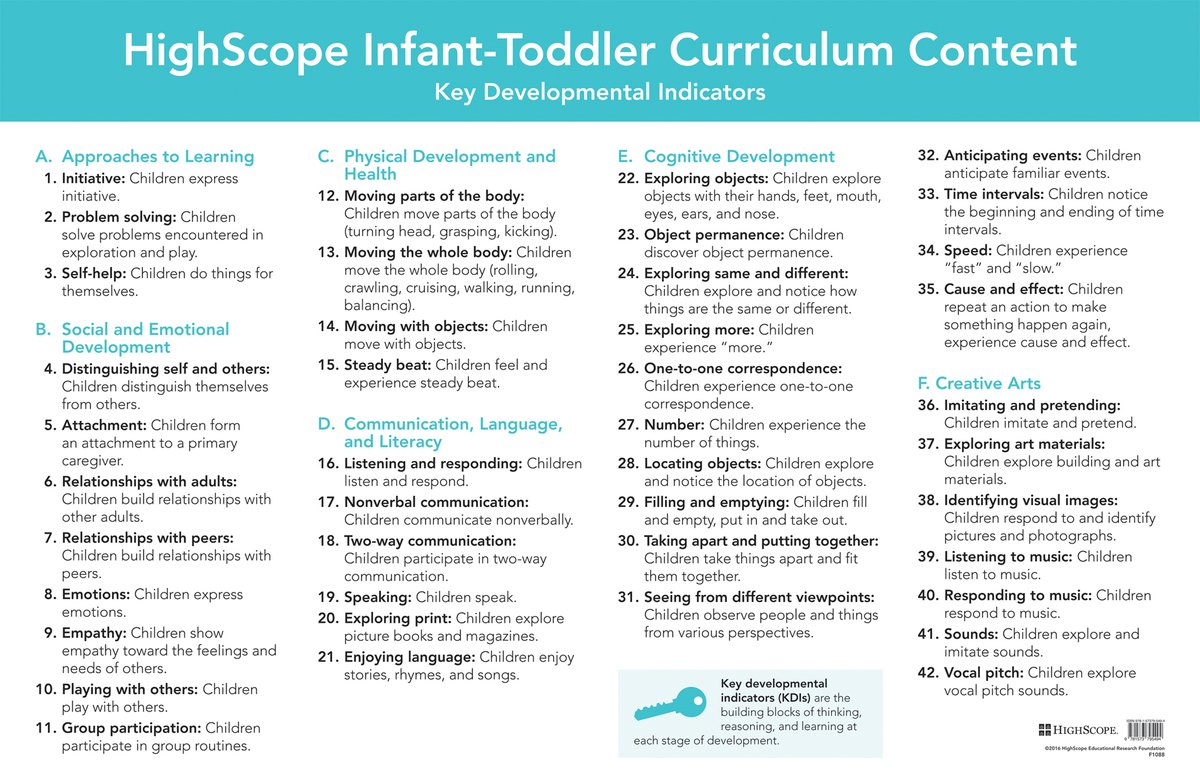
Bringing a new life into the world, or watching your little one transition from a wobbling infant to a curious toddler, is nothing short of a miracle. Every coo, every first step, every babbling phrase marks an incredible leap in their journey. But for many parents and caregivers, this journey also comes with questions: Is my child developing normally? What should I be looking for? When should I be concerned?
Understanding infant & toddler development isn't about rigid timelines; it's about appreciating the dynamic, individualized path each child takes from birth to three years old. This foundational period, from 0 to 36 months, lays the groundwork for all future learning, behavior, and well-being. It's a time of astonishing growth across physical, language, cognitive, and social-emotional domains, and equipping yourself with knowledge can help you nurture that growth with confidence.
At a Glance: Key Takeaways
- Holistic Growth: Development spans physical, language, cognitive, and social/emotional areas, all interconnected.
- Ages & Stages: Infants are typically 0-12 months, toddlers 12-36 months.
- Milestones as Guides: Milestones are averages; individual children may reach them earlier or later. Focus on patterns, not isolated events.
- Trust Your Instincts: If something feels off, discuss it with your pediatrician. Early intervention is key.
- Your Role is Paramount: Play, interaction, and a loving environment are the most powerful developmental tools.
- Professional Monitoring: Regular well visits are crucial for screening and early detection of potential delays.
The Developmental Landscape: What to Expect
From the moment they arrive, newborns are already equipped with an astonishing array of reflexes and senses, ready to engage with their new world. This journey unfolds rapidly, presenting new wonders almost daily.
The Early Weeks: A Glimpse into Newborn Life (0-3 Months)
Your newborn isn't just a tiny, sleepy bundle. They're a sensory sponge, processing everything around them.
- Initial Assessments: The Apgar Score: Named after Dr. Virginia Apgar, this quick assessment happens at one and five minutes after birth. Doctors check five key areas: appearance (skin color), pulse (heart rate), grimace response (reflexes), activity (muscle tone), and respiration (breathing). It’s a vital snapshot of your baby’s immediate health and any urgent medical needs.
- Sensory Sensations:
- Hearing: Well-developed from birth, they often react to familiar voices.
- Vision: Limited initially, focusing on objects 8-12 inches away. Over the next few years, their vision will sharpen to 20/40.
- Smell & Taste: Keen senses that help them locate food and respond to comforting scents.
- Touch: Highly responsive to gentle touch, providing comfort and security.
- Inborn Reflexes: You'll notice fascinating reflexes like sucking, swallowing, gagging, coughing, yawning, and blinking. The "startle" (Moro) reflex, where they throw out their arms and legs in response to a sudden noise or movement, and the grasping reflex are also prominent.
- Early Growth: An average newborn weighs between 5.5 to 10 pounds (2.5-4.5 kg) and measures 18-21 inches (45.7-53.3 cm). It's normal for babies to lose 5-7% of their birth weight in the first few days, quickly regaining and then gaining about 5-6 ounces (142-170 grams) weekly.
- Sleep Patterns: Newborns typically sleep 3-4 hours between 6-10 feedings a day. Crucially, always place your baby on their back to sleep to significantly reduce the risk of Sudden Infant Death Syndrome (SIDS).
The Infant Years: Blossoming into Little Explorers (0-12 Months)
This is a period of explosive growth and discovery. You'll witness dramatic changes in their physical capabilities, communication, and understanding of the world.
Physical Development: Gaining Control and Mobility
Physical milestones are often the most visible, showcasing your baby's increasing strength and coordination.
- Building Blocks: In the first few months, your baby will start to lift their head, push up on their elbows, and attempt to roll over. They'll reach for objects, grasp them, and bring them to their mouth – a primary way infants explore textures and shapes.
- Sitting Up: By around 6 months, many babies can sit unsupported, freeing up their hands for play and interaction. This is a game-changer for their perspective and ability to engage.
- On the Move: The 9-month mark often brings increased mobility. Many infants will start to crawl, pull themselves to a standing position, and cruise along furniture.
- First Steps: Around their first birthday, many babies take their first tentative steps. Some will walk independently, while others prefer to continue cruising or crawling for a few more months. Remember, the timing varies wildly! Most children walk by 18 months.
- Fine vs. Gross Motor Skills:
- Gross Motor Skills: These involve larger muscle groups for movements like balancing, sitting, crawling, and eventually walking and running.
- Fine Motor Skills: These use smaller muscles, primarily in the hands and fingers, for tasks like grasping a toy, picking up a puff cereal, or pointing.
Language & Communication: From Cries to Conversation
Your baby is a born communicator, even before they utter their first word.
- Beyond Crying: While crying is a newborn's primary form of communication, soon you'll hear cooing (vowel sounds like "ooo" or "ahh") followed by babbling (combining consonants and vowels, "baba," "dada," "mama").
- Understanding & Imitation: By 9 months, they often understand simple words like "no" and will mimic sounds they hear. Encourage this by talking, singing, and reading to them. The importance of "baby talk" – those exaggerated tones and simplified words – cannot be overstated; it’s a crucial tool for language development.
- First Words: Around 12 months, many babies say their first recognizable words, often "mama" or "dada," and use gestures like waving "bye-bye."
Cognitive Development: Building a Mental Map
This involves how babies learn, think, remember, and problem-solve.
- Piaget's Sensorimotor Stage: Developmental psychologist Jean Piaget described this stage (birth to ~2 years) as a time when infants learn about the world through their senses and motor actions. They suck, grasp, look, and listen.
- Object Permanence: A key achievement in this stage is object permanence – understanding that objects and people still exist even when they can't see them. This is why peek-a-boo is so fascinating to infants! When you cover your face, they genuinely think you're gone until you reappear.
- Assimilation: Infants use their existing knowledge to make sense of new information. For example, a baby who has learned to suck on a bottle might try to suck on a new toy – assimilating the new object into their existing "sucking schema."
- Problem-Solving in Action: They'll begin to solve simple problems, like reaching for a toy that's just out of reach, or shaking a rattle to make a sound.
Social & Emotional Development: Forming Bonds and Expressing Self
Your baby's world is centered on you, and their emotional life is rapidly expanding.
- Early Emotions: Babies display basic emotions like happiness, sadness, and anger from an early age. Around 5 months, their facial expressions become more varied and deliberate.
- Attachment: Forming secure attachments to primary caregivers is paramount. This bond provides the foundation for their emotional security and future relationships.
- Separation Anxiety: Around 9 months, you might notice separation anxiety surfacing – nervousness or distress when a primary caregiver leaves. They may also show shyness around strangers. This is a normal and healthy sign of attachment.
The Toddler Years: Independence and Exploration (12-36 Months)
Once your child crosses the 12-month threshold, they officially enter the toddler stage – a period characterized by burgeoning independence, increasing mobility, and a rapidly expanding sense of self.
Physical Development: Mastering Movement
Toddlers are on the go, refining their gross and fine motor skills daily.
- Walking & Beyond: Most children are walking independently by 18 months. By 2 years, they're often running, climbing stairs (perhaps with assistance), and can throw and kick a ball.
- Refining Skills: By 3 years, they are running and climbing well, able to stack several blocks, manipulate pedals on a riding toy, and often begin to show hand dominance (left or right-handedness).
- Growth Spurt: Toddlers experience significant growth. By age 3, they typically quadruple their birth weight. Their height reaches about 57% of their adult height for females and 53% for males. The circumference of their head and chest also becomes relatively equal.
- Teething & Sleep: All baby teeth (20 primary teeth) are usually present by age 3. Toddlers generally need 10-12 hours of sleep per night, often with a daytime nap.
Language & Communication: Talking Up a Storm
The toddler years are a language explosion!
- Vocabulary Bloom: From single words, toddlers progress to repeating words and then forming simple 2-4 word sentences by age 2.
- Conversationalists: By 3 years, their vocabulary can range from 300 to 1,000 words. They participate in conversations, can name familiar objects, and follow 2-3 step instructions. This is a great time to introduce more complex stories and engage them in back-and-forth dialogue.
Cognitive Development: Thinking Big
Toddlers are increasingly curious and actively seek to understand how the world works.
- Piaget's Preoperational Stage: Beginning around age 2, children enter the preoperational stage, where they start to use symbols – like language and images – to represent objects and broaden their understanding. This is the era of symbolic thinking and pretend play.
- Vygotsky and Play: Lev Vygotsky emphasized the critical role of play and social interaction in cognitive development. Children learn by doing, and by interacting with others. His concept of the Zone of Proximal Development highlights how children can achieve more with the support of a more skilled peer or adult than they could alone.
- Everyday Milestones: By age 3, children can manipulate toys with moving parts, complete 3-4 piece puzzles, and engage in elaborate pretend games involving people, toys, and animals. They can identify body parts and common objects, place objects inside others, make mechanical objects work (like turning a key), and follow simple directions. They also begin to identify primary colors and shapes, and count from 1 to 10 or even 20. While they understand cause and effect, they may not yet grasp potential dangers.
Social & Emotional Development: Personality Emerges
Toddlers are developing distinct personalities and learning to navigate complex social situations.
- Identity & Independence: They express strong preferences for toys and people, asserting their newfound independence. This often comes with temper tantrums as they grapple with big emotions and limited ways to express them.
- Affection & Empathy: Alongside their quest for independence, toddlers show increasing affection, offering hugs and kisses. By age 3, separation anxiety typically wanes. They become less self-centered, showing more concern for others, copying adults and friends, and displaying a range of complex emotions like guilt, pride, and shame. They love being included in family activities and routines.
Monitoring Milestones: Your Partner in Healthy Growth
While watching your child grow is a joy, it's also a responsibility to ensure their development is on track. Pediatricians play a crucial role in this monitoring process.
Well Visits: Scheduled Check-Ins
Your pediatrician screens for developmental delays during routine well visits, specifically at 9 months, 18 months, and 24 or 30 months. These visits are more than just weigh-ins; they're opportunities to discuss your child's progress, ask questions, and address any concerns.
When to Voice Concerns
- Trust Your Gut: You know your child best. If you have any persistent concerns about their development – whether it's their movement, speech, play, or social interactions – don't hesitate to bring them up with your pediatrician promptly.
- Don't Wait and See: While a "wait and see" approach might seem tempting, especially for minor issues, early detection and intervention for developmental delays can make a profound difference in a child's long-term outcomes.
Understanding Developmental Delays and Finding Support
Sometimes, a child may not meet certain milestones within the expected timeframe. This doesn't necessarily mean a serious problem, but it does warrant attention.
Early Intervention Services (EIS)
If concerns arise, your child can be evaluated by Early Intervention Services (EIS). These professionals, including developmental pediatricians, speech therapists, physical therapists, and occupational therapists, observe your child, assess their skills, and gather information from you to determine eligibility for services.
- Individualized Family Service Plan (IFSP): For children under three years old, an IFSP is a written plan tailored to your child's specific needs and your family's goals. It outlines the services your child will receive, measurable goals, and how and where these services will be implemented. The Centers for Disease Control and Prevention (CDC) emphasizes that early intervention significantly improves developmental outcomes, preparing children for school and life.
- Head Start Program: Established in 1965, the Head Start program is a vital resource for "school readiness" for children from birth to five years, particularly those from low-income families. It provides comprehensive support, including health, nutritional, social, and educational services, to promote healthy development.
Your Role in Supporting Development
You are your child's first and most important teacher. Every interaction is an opportunity for growth.
- Talk, Read, Sing: Engage your child in conversation, read aloud daily, and sing songs. These simple activities significantly boost language and cognitive development.
- Play Together: Join your child in play. Get down on the floor and engage with their toys, participate in pretend scenarios, and let them lead. Play is how children learn about the world, test boundaries, and develop social skills.
- Respond to Their Cues: Be attentive to your child's sounds, gestures, and expressions. Responding consistently helps build their communication skills and fosters a secure attachment.
- Provide a Safe, Stimulating Environment: Offer age-appropriate toys and opportunities for exploration. Limit screen time, especially for infants and toddlers, prioritizing interactive play and real-world experiences.
- Encourage Independence (Safely): As toddlers, they crave independence. Let them try to dress themselves, help with simple chores, or make choices (within reason). This builds self-confidence and problem-solving skills.
- Be Patient and Consistent: Development isn't a race. There will be frustrating moments, especially during the toddler years with tantrums and boundary-testing. Patience, consistent routines, and clear expectations are key.
For parents and caregivers navigating this incredible journey, remember that support is always available. From understanding the basics of healthy development to accessing specialized care, embracing the resources around you can make all the difference. To explore more about nurturing your child through these formative years, you might find valuable insights when you Explore Prime Mama Coco.
Your Child's Unique Path: A Final Word
The journey through infant and toddler development is a dynamic, complex, and deeply personal one. While milestones provide a useful roadmap, they are not rigid deadlines. Each child blooms in their own time and in their own way.
Your primary role as a caregiver is to provide a loving, stimulating, and secure environment. Engage with your child, celebrate their small victories, and trust your instincts when something feels amiss. By being present, responsive, and informed, you empower your child to reach their full potential, setting a strong foundation for a lifetime of healthy growth and learning.