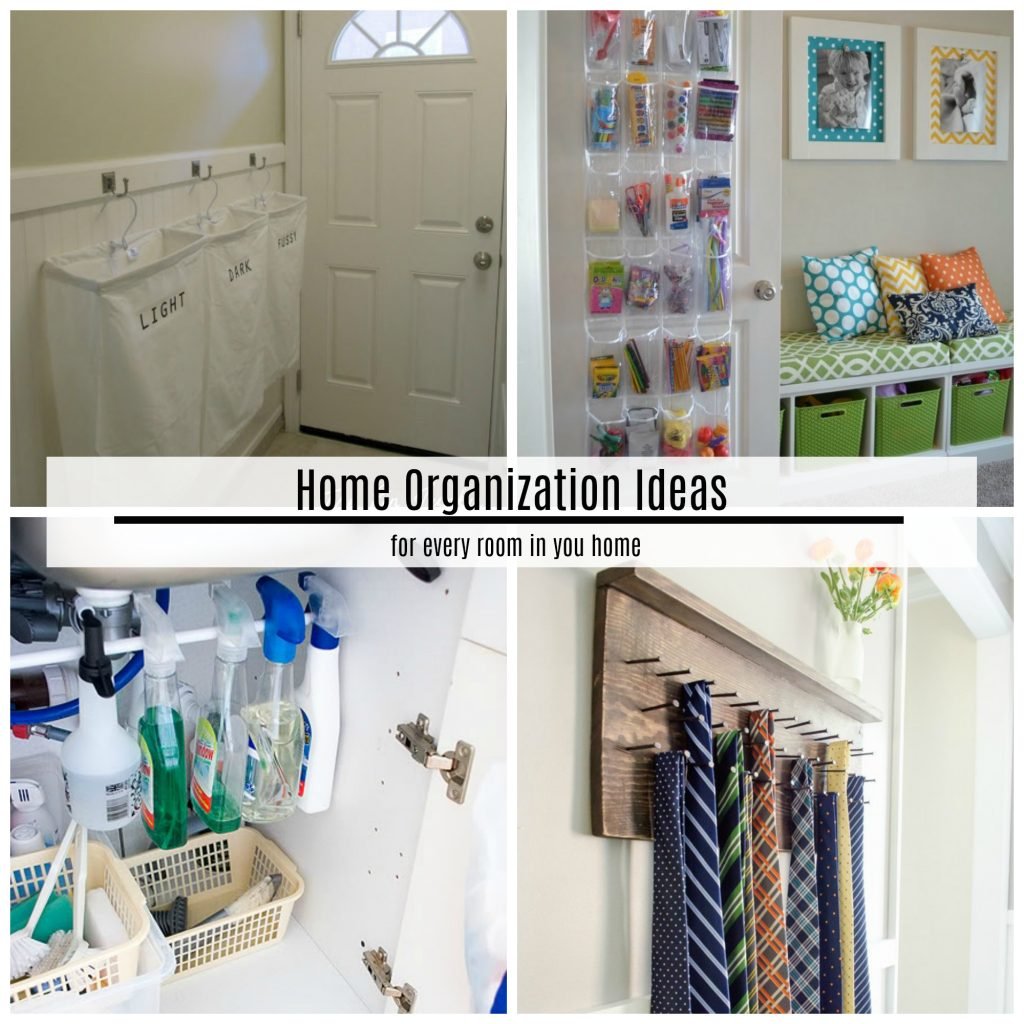
Living in a well-organized home, where family life flows smoothly and stress is minimized, isn't a fantasy—it's the achievable reality of effective Home Organization & Family Management. For many, the very phrase conjures images of endless to-do lists and overwhelming tasks. But what if you could transform daily chaos into calm, not by doing more, but by designing smarter systems? This guide will show you how to build a resilient, adaptable framework for your household, making complex logistics feel simple and turning aspirations into everyday accomplishments.
At a Glance: Your Blueprint for a Stress-Free Home
- Define Your Needs: Start by understanding your unique household's daily rhythms, pain points, and goals.
- Embrace Modern Tools: Leverage digital, hybrid, and AI-powered planners for predictive scheduling and automation.
- Centralize Everything: Use a planner to consolidate calendars, meal plans, budgets, and essential family info.
- Customize for Clarity: Tailor sections, use color-coding, and assign tasks to fit your family's dynamic.
- Automate & Delegate: Set recurring reminders, sync with smart devices, and involve every family member in chores.
- Regularly Review: Adjust your systems monthly to keep them relevant, efficient, and working for you.
- Look to the Future: Anticipate AI-driven assistance, smart home integration, and enhanced collaboration in home management.
Beyond Chaos: What is Home Organization & Family Management?
At its heart, household management is the art and science of creating and implementing systems that keep a home running like a well-oiled machine. It’s about more than just cleaning or paying bills; it encompasses the entire ecosystem of your family life: planning, organizing, and overseeing everything from childcare and meal preparation to budgeting and home maintenance.
The purpose? To lighten the load for busy parents, drastically reduce stress, save precious time, and foster a peaceful, well-ordered environment where everyone can thrive. Imagine fewer missed appointments, less frantic searching for documents, and more quality time spent together—that’s the promise of mastering home organization and family management.
The Pillars of a Harmonious Home: Key Categories
Effective home management isn't a single monolithic task; it's a collection of interconnected areas that, when managed well, create synergy. Here are the core pillars that hold up a harmonious home:
Childcare & Development
This pillar covers everything from coordinating school schedules and extracurricular activities to supporting learning and meeting the daily needs of your children. It means having a clear overview of appointments, homework, playdates, and even managing screen time effectively.
Meal Planning & Grocery Smart
Feeding your family can be one of the most time-consuming and stressful parts of the week. This category focuses on managing pantry inventory, planning school lunches, and strategizing dinners to save time, reduce food waste, promote healthy eating habits, and stay within your budget. Batch cooking, quick recipes, and smart grocery lists are your allies here.
Financial Fortitude: Budgeting & Bill Tracking
Financial stability is the bedrock of a secure home. This involves diligently paying bills, tracking expenses, planning for future needs (like college or retirement), and potentially managing household staff payroll. A clear budget and consistent financial oversight ensure you remain on track and avoid unwelcome surprises.
Taming the Clutter: Home Organization & Decluttering
A cluttered home often leads to a cluttered mind. This pillar is about setting up functional systems for belongings, paperwork, and schedules. It’s about creating designated homes for everything, decluttering regularly, and reducing mental load by improving daily life efficiency. Think clear countertops, easy-to-find documents, and storage solutions that work with you.
Keeping it Running: Cleaning & Maintenance
From daily tidy-ups to seasonal deep cleans and essential home repairs, this category ensures your physical living space remains healthy, functional, and pleasant. It includes scheduling tasks, knowing who is responsible for what, and ensuring your home’s systems (HVAC, plumbing, appliances) are well-maintained.
Future-Proofing: Home Projects & Wishlists, Family & Emergency Info
This often-overlooked pillar is about planning for the future and safeguarding against the unexpected. It includes tracking home improvement projects, creating wishlists for purchases, and—critically—centralizing vital family and emergency information, from contacts and medical records to insurance policies and important passwords.
Your Blueprint for Success: The Home Management Planner (2025 Edition)
A home management planner is your ultimate tool, your blueprint for mastering home organization and achieving stress-free living. It’s not just a calendar; it’s a centralized system designed to help you select, set up, and optimally use planning tools for every aspect of your household.
Why a Planner is Your New Best Friend
Imagine a single source of truth for all your household's moving parts. A well-implemented planner helps you:
- See the Big Picture: No more missed appointments or forgotten birthdays.
- Reduce Mental Load: Get tasks out of your head and into a trusted system.
- Improve Communication: Ensure everyone in the family is on the same page.
- Achieve Goals: Break down large projects into manageable steps.
- Save Money: Plan meals, track spending, and avoid last-minute purchases.
- Create Calm: Replace reactive scrambling with proactive planning.
The Future is Now: 2025 Trends & Innovations
The landscape of home management is evolving rapidly, driven by technology and a growing desire for efficiency and sustainability. Here’s what’s shaping the planners of today and tomorrow:
- Digital & Hybrid Power: The shift is undeniable, with 65% of households now using digital tools. Planners are integrating seamlessly with smart home devices like Alexa and Google Home, allowing for voice commands to add items to shopping lists or set reminders. The convenience of accessing your planner from any device, anywhere, is paramount.
- Eco-Conscious Choices: Sustainability is no longer a niche concern. 40% of users now prefer eco-friendly products, and brands are responding with recycled paper, plant-based inks, and digital options that significantly reduce paper waste.
- Personalized to Perfection: One-size-fits-all is out. Today's planners offer extensive customization features—think modular inserts, adjustable layouts, and color-coding options—allowing you to personalize your system for your family's unique needs.
- AI & Automation: Your Proactive Assistant: This is where planners truly become intelligent partners. Artificial intelligence and automation provide predictive scheduling, intelligent reminders, personalized meal plan suggestions based on dietary preferences and pantry inventory, and even automated inventory tracking. Your planner isn't just a record-keeper; it's a proactive assistant.
- Fort Knox Security: With more personal data stored digitally, security is paramount. Modern planners feature encrypted storage, robust password protection, and two-factor authentication (2FA) to safeguard your sensitive information.
- Designed for Everyone: Accessibility and inclusivity are growing priorities. Look for features like voice-to-text input, large print options, and dyslexia-friendly fonts to ensure your planner works for every member of your household.
Must-Have Features of an Effective Planner
For a planner to truly serve as your command center, it needs specific functionalities:
Core Categories for Comprehensive Management
An effective planner centralizes household management by covering these essential categories:
- Calendar & Scheduling: For appointments, deadlines, and family events.
- Meal & Grocery Planning: From recipes to shopping lists and pantry inventory.
- Cleaning & Maintenance: Chore charts, deep cleaning schedules, and repair logs.
- Budget & Bill Tracking: Income, expenses, savings goals, and bill due dates.
- Family & Emergency Information: Contacts, medical details, insurance, passwords.
- Home Projects & Wishlists: Tracking progress on renovations or future purchases.
Essential Tech Features for 2025
Market statistics show that 78% of users report increased household efficiency with top brands offering:
- Cloud Sync & Multi-Device Compatibility: Access your planner seamlessly across your phone, tablet, and computer.
- Customizable Dashboards/Templates: Tailor the interface to highlight what's most important to you.
- Visual Trackers: Monitor habits, budgets, and goals with engaging charts and progress bars.
- Integrated Document Storage: Securely upload and categorize important digital documents.
Seamless User Experience (UX)
A powerful planner is useless if it's not easy to use. Look for:
- Intuitive Navigation: Find what you need quickly and without frustration.
- Mobile Access: Manage your home on the go.
- Drag-and-Drop Task Assignment: Easily assign chores or move schedule items.
- Syncing with External Calendars: Integrate with Google Calendar, Apple Calendar, and Outlook to avoid double entry.
Privacy & Protection
Your family's data is precious. Ensure your planner offers:
- Two-Factor Authentication (2FA): An extra layer of security for logins.
- Encrypted Storage: Protects your data from unauthorized access.
- Permission Settings: Control who sees what when sharing information with family members.
Setting Up for Smooth Sailing: Your 7-Step Planner Launchpad
Starting a new home management system can feel like a big undertaking, but breaking it down into manageable steps makes it approachable and effective.
Step 1: Unpack Your Household's Needs
Before you even look at a planner, sit down and honestly assess your current situation. What are your daily, weekly, and monthly tasks? Where are the pain points? Do you frequently miss appointments? Is paperwork always misplaced? Are meals a constant last-minute scramble? Identify these specific challenges and the goals you want your planner to help you achieve. This clarity is your foundation.
Step 2: Choose Your Planning Powerhouse (Digital, Paper, Hybrid)
Consider your family's tech-savviness, your need for on-the-go access, and the importance of syncing information.
- Digital: Offers automation, cloud sync, and smart home integration. Ideal for tech-forward families.
- Paper: Tangible, often less distracting, good for visual thinkers.
- Hybrid: The best of both worlds, using digital for shared schedules and paper for personal notes or specific planning.
The "right" format is the one you'll actually use consistently.
Step 3: Gather Your Life's Critical Data
This is a crucial information-gathering phase. Collect all critical details: emergency contacts, insurance policies, account numbers, medical records, important dates, and passwords. Make a concerted effort to digitize documents by scanning them for secure storage within your planner or a dedicated cloud service. Knowing where everything is, and having it readily accessible, is a huge stress reliever.
Step 4: Craft Your Customized Command Center
Once you've chosen your format, personalize it. Customize categories to match your household's unique needs. If "pet care" is a big part of your life, create a dedicated section. Experiment with layouts and use color-coding or labels to differentiate tasks or family members. Assign unique identifiers (e.g., a specific color or initial) to each family member for their tasks, making responsibilities clear at a glance.
Step 5: Automate the Routine, Remember the Important
This step is about leveraging your planner's power. Set up recurring tasks for regular bills, chore rotations, and weekly appointments. Utilize digital planner reminders for everything from "take out trash" to "call grandma." Automation is your secret weapon against forgotten tasks and mental overload.
Step 6: Rally the Troops: Involve the Whole Family
For home management to truly succeed, it cannot fall on one person's shoulders. Assign age-appropriate roles and responsibilities to every family member. Use shared calendars or communication methods (like a family messaging app) to keep everyone in the loop. Foster teamwork by clearly communicating the "why" behind your systems—it's about creating a more peaceful home for everyone.
Step 7: The Ongoing Tune-Up: Review & Adjust Regularly
Your family, your needs, and your life evolve. What worked perfectly six months ago might not be the best system today. Conduct monthly check-ins with your planner to ensure the system remains relevant, effective, and up-to-date. Are there sections you never use? Are new challenges emerging? Be prepared to adjust, simplify, or even overhaul sections as needed. This flexibility is key to long-term success.
Mastering Your Home: Advanced Strategies & Practical Wisdom
Once your core planner is set up, you can take your home organization and family management to the next level with advanced strategies and everyday practical hacks.
Supercharging Your Planner
Automate Everything Possible
Beyond recurring tasks, sync your digital planner with smart home devices. Imagine your planner reminding you to preheat the oven when it's time to start dinner or automatically adding an item to your grocery list when you use the last of it, thanks to inventory tracking.
Collaborate Like a Pro
Enhance family collaboration through shared access to your digital planner. Use color-coded assignments for each family member and hold quick, daily "stand-up" meetings to review tasks and tackle any emerging issues together. Clarity and shared responsibility breed harmony.
Visualize Your Victories
Leverage visual tools within your planner like habit trackers for personal goals (e.g., "drink 8 glasses of water daily") and progress charts for larger projects (e.g., "decluttering the garage"). Seeing your progress can be incredibly motivating and keeps you accountable.
Integrate Life's Big Picture
Your home management planner isn't just about daily chores. Integrate financial planning by linking budget trackers to your overall financial goals. Securely store important documents related to estate planning or insurance policies, ensuring they're accessible when needed.
Go Paperless: Digital Document Management
Minimize physical clutter by scanning and categorizing all important documents and receipts. Use cloud storage or your planner's integrated document features. This not only reduces physical clutter but also makes finding specific information incredibly fast and efficient.
Everyday Home Management Hacks
These practical strategies can significantly ease the daily grind and foster a more organized environment. For a deeper dive into optimizing your daily routines and achieving a sense of control, Explore the Prime Mama Coco hub.
Streamline Daily Routines
Mornings and evenings are often the most chaotic times. Simplify routines by having designated spots for keys, wallets, and bags. Prep lunches and lay out clothes the night before. Create a "launchpad" by the door for items that need to leave the house.
Build a Shared Family Schedule
Whether it's a giant whiteboard calendar in the kitchen or a shared digital calendar accessible on everyone's phone, a universally accessible family schedule is non-negotiable. Clearly mark appointments, school events, and family gatherings. Technology is your friend here for real-time updates.
Delegate & Distribute Tasks Smartly
Identify core household responsibilities and assign tasks based on skills, availability, and age-appropriateness. Rotate duties for fairness and to teach everyone a variety of skills. Regular "family meetings" can help refine this distribution.
Meal Planning Made Easy & Healthy
Plan meals for the week, balancing nutrition with busy schedules. Explore quick and healthy recipes. Utilize batch cooking and freezing on a less busy day to have ready-to-eat meals or components for later in the week. This saves time, money, and reduces decision fatigue.
Budgeting Beyond the Basics
Create a family budget and track expenses effectively using apps or spreadsheets. Implement smart saving and investing strategies, including building an emergency fund. Review your budget monthly to ensure you're on track and identify areas for adjustment.
Decluttering That Sticks
Adopt decluttering strategies like starting small (e.g., one drawer a day) and setting daily timers (e.g., 15 minutes of decluttering). Maximize storage space with vertical solutions and multi-functional furniture. Maintain a clutter-free environment with rules like "one in, one out" for new purchases.
When You Need a Helping Hand: Types of Support
Sometimes, you need more than a planner. External support can be invaluable:
- Nanny: Primarily provides childcare, but can often assist with light household tasks related to the children.
- Family Assistant: A hybrid role combining childcare with broader daily household logistics, like scheduling appointments, running errands, or managing household inventory.
- Household Manager: This role oversees the entire household, including managing staff, coordinating schedules, handling meal planning, and ensuring home maintenance. They act as the primary orchestrator of your home's operations.
Tackling the Hurdles: Overcoming Common Challenges
Even with the best systems, challenges arise. Here's how to navigate them.
Getting Started When It Feels Overwhelming
The secret? Don't try to fix everything at once. Identify just one overwhelming area—maybe the laundry pile, or the mealtime rush—and create a simple system for that. Master it, then move on to the next. Small wins build momentum and confidence.
When Systems Break Down: Adjust, Simplify, Delegate
It's inevitable: a system you painstakingly built might falter. Instead of giving up, troubleshoot. Is it too complicated? Simplify it. Is one person shouldering too much? Delegate more. Is it no longer relevant? Adjust it. Systems are meant to serve you, not the other way around. Don't be afraid to experiment.
Bringing Everyone Onboard: The Family Buy-In
Communicate the "why" clearly: "When we all help, Mom/Dad isn't so stressed, and we have more time for fun family activities." Assign age-appropriate tasks, show appreciation, and celebrate successes. Make it a team effort, not a parental mandate.
Avoiding Planner Fatigue: Simplicity & "Power Hours"
Too much detail can lead to burnout. If your planner feels like another chore, simplify your layouts. Prioritize clarity over exhaustive tracking. Also, schedule regular "power hours" for deep work on your planner—updating, reviewing, and adjusting—so it doesn't become a continuous drain.
Maintaining Momentum: Consistency is Key
Establish routines around your planner use. Perhaps it's a 15-minute review every Sunday evening or a quick check-in every morning. Set digital reminders for these reviews. Consistency, even in small doses, is far more effective than sporadic, intense bursts of planning.
The Horizon: What's Next for Home Management?
The future of home management is exciting, promising even greater ease and efficiency:
- AI as Your Ultimate Personal Assistant: Future planners will be AI-powered personal assistants that go beyond reminders. They'll offer predictive scheduling based on your habits, automate suggestions for tasks based on context (e.g., "It's spring, time for gutter cleaning"), and even anticipate needs before you do.
- Seamless Smart Home Integration: Expect even deeper integration with smart home ecosystems. Planners will not only remind you to adjust the thermostat but might communicate directly with your IoT devices, providing proactive maintenance alerts or even automating climate control based on your schedule.
- Effortless Interaction: Voice & Gesture Controls: Imagine managing your home just by speaking commands or using intuitive gestures. This will enhance accessibility and convenience, making planning feel truly hands-free.
- Unbreakable Security & Collaborative Ecosystems: Data security will continue to advance with technologies like advanced encryption and blockchain. Collaborative platforms will evolve to support not just nuclear families but extended families and caregivers, with sophisticated shared access and permission settings.
- A Greener, Smarter Home: The digital-first approach will further promote sustainability and paperless living. Combined with AI and smart home integration, the market is poised for explosive growth, creating homes that are not only efficient but also environmentally conscious.
Your Next Steps: Building Your Harmonious Home
The journey to a well-managed home and a peaceful family life is ongoing, but it's one of the most rewarding investments you can make. You now have the knowledge, the tools, and the strategies to transform chaos into calm.
Don't wait for the perfect moment. Start today by choosing one small area you want to improve, whether it's setting up a simple meal plan for the week or gathering your emergency contacts. Select a planner format that resonates with you and begin to customize it. Involve your family, embrace the process, and remember to be flexible.
Your home is your sanctuary, and with thoughtful Home Organization & Family Management, you're not just organizing tasks—you're cultivating a life of greater peace, connection, and joy. Take that first step, and watch your harmonious home unfold.